
Updated July 7, 2026
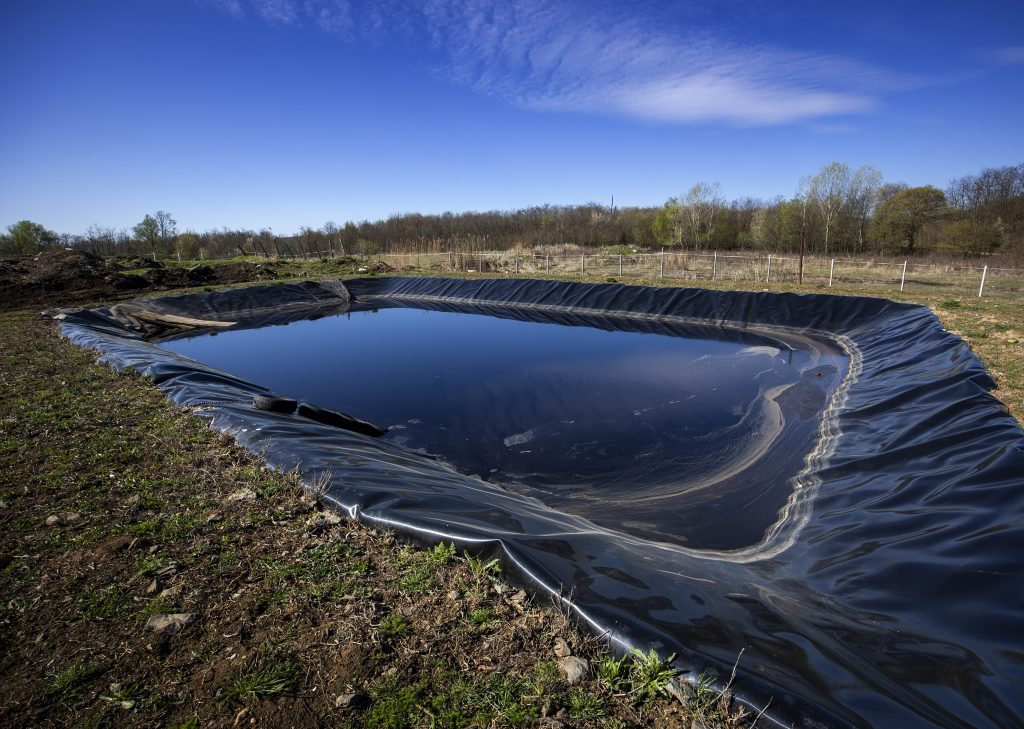
When a gas company wants to place a water impoundment pond on a Pennsylvania landowner’s property, the request should be taken very seriously.
A water impoundment pond is not a small or routine surface-use issue. These ponds may store large volumes of water for hydraulic fracturing and related natural gas development operations. They may involve significant acreage, heavy truck traffic, access roads, liners, pumps, fencing, lighting, pipes, security, drainage changes, liability issues, tax consequences, and long-term restrictions on the use of the property.
A landowner should never sign a Water Impoundment Pond Agreement simply because the company says the agreement is standard.
The document should be reviewed carefully, negotiated thoroughly, and considered in light of the landowner’s long-term use of the property.
What Is a Water Impoundment Pond Agreement?
A Water Impoundment Pond Agreement is a contract that gives a gas company the right to construct, maintain, operate, and use a water storage pond on private property.
The pond may be used to store water for drilling, completion, hydraulic fracturing, or other oil and gas operations.
The agreement may also include rights involving:
- access roads;
- water lines;
- pumps;
- valves;
- staging areas;
- fencing;
- lighting;
- security;
- electric service;
- truck access;
- maintenance rights;
- drainage controls;
- and long-term operational access.
The agreement may be presented as a Surface Use Agreement, Water Impoundment Agreement, Water Storage Agreement, Pond Agreement, Access Agreement, or similar document.
Regardless of the title, the landowner should evaluate the full scope of rights being requested.
A Water Impoundment Pond Can Create a Long-Term Property Burden
Water impoundment ponds may be described as useful or efficient because they can reduce the need for repeated water trucking to and from well sites. That may be true from the company’s perspective.
But from the landowner’s perspective, the pond may create a major property burden.
The landowner should consider:
- how much acreage will be occupied;
- how long the pond will remain;
- whether the pond is temporary or long-term;
- whether the company can expand it;
- whether water lines will cross the property;
- whether access roads will be permanent;
- whether trucks will regularly enter the property;
- and whether future use of the land will be restricted.
A water impoundment pond may affect the property for years or decades.
Location Is Critical
The location of the pond is one of the most important issues.
A poorly located water impoundment pond may interfere with:
- homes;
- barns;
- fields;
- pastures;
- timber;
- ponds;
- springs;
- water wells;
- streams;
- wetlands;
- hunting areas;
- recreational areas;
- future building sites;
- subdivision plans;
- and long-term property value.
The agreement should include a detailed map showing the exact location of the pond, access roads, water lines, staging areas, and related facilities.
The company should not have broad discretion to move, expand, or relocate the pond without the landowner’s written consent and additional compensation.
Size and Acreage Must Be Clearly Defined
A Water Impoundment Pond Agreement should clearly define the total area affected.
The landowner should not focus only on the pond itself.
The agreement should also account for:
- the pond footprint;
- berms;
- fencing;
- access roads;
- water line corridors;
- pump areas;
- staging areas;
- parking areas;
- turnaround areas;
- maintenance areas;
- and any temporary work space.
A company may ask for rights over more land than the landowner expects.
The agreement should define the maximum acreage and prohibit expansion without written approval.
Compensation Should Reflect the Full Impact
Compensation for a water impoundment pond should reflect the full burden on the property, not just the number of acres covered by water.
Landowners should consider compensation for:
- the acreage occupied;
- long-term loss of use;
- access roads;
- water line rights;
- staging areas;
- crop loss;
- timber loss;
- hunting disruption;
- residential inconvenience;
- noise;
- lighting;
- truck traffic;
- tax impacts;
- drainage changes;
- risk of leaks or spills;
- future maintenance access;
- and the effect on future property use.
A one-time payment may not be adequate if the pond remains in place for many years.
Landowners should consider whether compensation should be structured as:
- an upfront payment;
- annual payments;
- renewal payments;
- separate payments for access roads;
- separate payments for water lines;
- separate payments for expansion;
- or additional compensation based on future use.
Duration Must Be Clear
The agreement should state exactly how long the company may use the pond.
The landowner should avoid vague language that allows the pond to remain indefinitely.
Important questions include:
- When does the agreement begin?
- When does it end?
- Can the company extend the term?
- Is additional compensation required for extensions?
- What happens if the pond is not used?
- What happens if the company stops operations?
- When must the pond be removed?
- When must reclamation be completed?
A pond that is no longer needed should not continue to burden the property without a clear contractual basis.
Clean and Green and Tax Issues Should Be Addressed
Water impoundment ponds may create tax consequences.
If the property is enrolled in Clean and Green or another preferential assessment program, the landowner should determine whether the pond, roads, or related facilities may trigger rollback taxes, penalties, interest, or assessment changes.
The agreement should require the company to pay any tax consequences caused by its activities.
Landowners should not assume the company will voluntarily cover those costs later.
Tax protection should be written into the agreement before signing.
Liability Protection Is Essential
Water impoundment ponds create liability concerns.
Potential issues may involve:
- trespassers;
- contractors;
- company employees;
- truck drivers;
- fencing failures;
- water leaks;
- liner failures;
- spills;
- erosion;
- stormwater issues;
- injuries;
- environmental claims;
- and damage to neighboring property.
The landowner should not be responsible for risks created by the company’s pond or operations.
The agreement should include strong indemnification language requiring the company to protect the landowner from claims, injuries, damages, environmental issues, and losses arising from the pond and related activities.
Insurance Requirements Should Be Specific
Indemnification language should be supported by insurance.
The agreement should require the company and its contractors to maintain appropriate insurance coverage.
Where appropriate, the landowner should be named as an additional insured.
The agreement should also require proof of insurance before construction begins and during the entire term of the agreement.
Water Quality and Environmental Protections Matter
Because the agreement involves large volumes of water, environmental protections are extremely important.
The agreement should address responsibility for:
- liner failure;
- leaks;
- spills;
- overflow;
- erosion;
- sediment;
- runoff;
- drainage;
- contamination;
- and damage to water wells, springs, ponds, streams, wetlands, or neighboring property.
If the pond affects water on or near the property, the company should be responsible for the consequences.
The landowner should not sign broad release language that limits future claims before the full risk is known.
Access Roads and Truck Traffic
A water impoundment pond may require significant access.
The company may need access for construction, inspection, maintenance, pumping, emergency response, and removal.
The agreement should address:
- access road location;
- road width;
- road construction standards;
- gates;
- locks;
- traffic limits;
- dust control;
- speed limits;
- drainage;
- maintenance;
- snow removal if relevant;
- and road restoration.
If truck traffic is expected, the landowner should consider how it may affect residential use, farm operations, livestock, hunting, and general property enjoyment.
Water Lines and Related Facilities
A water impoundment pond may be connected to temporary or permanent water lines.
Those lines may cross additional portions of the property and create separate impacts.
The agreement should clearly state:
- where water lines may be located;
- whether they are above ground or buried;
- how long they may remain;
- whether they may be relocated;
- whether additional lines are permitted;
- whether they require separate compensation;
- and what restoration obligations apply.
A landowner should not allow a pond agreement to become a broad water-line or pipeline agreement unless those rights are fully understood and negotiated.
Fencing, Gates, Security, and Safety
A water impoundment pond should be properly secured.
The agreement should address:
- fencing;
- gates;
- locks;
- warning signs;
- maintenance of fencing;
- inspection obligations;
- safety procedures;
- and responsibility for unauthorized access.
Security issues are especially important if the property is used for hunting, recreation, farming, livestock, or family activities.
Drainage and Stormwater Issues
A large pond and related construction can alter surface water flow.
The landowner should consider whether the pond may cause:
- erosion;
- flooding;
- ponding;
- runoff;
- wet areas;
- drainage blockages;
- damage to roads;
- or damage to neighboring properties.
The agreement should require the company to design, construct, maintain, and repair drainage and stormwater controls.
If drainage problems occur, the company should be responsible for correction.
Maintenance Obligations
The agreement should clearly state who is responsible for maintaining the pond and related facilities.
Maintenance obligations may include:
- pond liner maintenance;
- fencing maintenance;
- road maintenance;
- drainage maintenance;
- erosion control;
- pump maintenance;
- water line maintenance;
- inspection;
- security;
- vegetation control;
- and repair of damage.
The landowner should not be responsible for maintaining company facilities.
Assignment and Future Company Use
The agreement should address whether the company may assign the agreement to another operator, affiliate, successor, purchaser, contractor, or third party.
If assignment is allowed, the landowner should require that all protections remain binding and that the original company remains responsible unless otherwise agreed.
The agreement should also limit who may use the pond.
A landowner may not want the pond used by unrelated companies, for unrelated projects, or for operations beyond what was originally agreed.
Expansion Rights Should Be Limited
The company may want flexibility to expand the pond, add water lines, increase storage capacity, or use the pond for additional projects.
The landowner should be cautious.
Future expansion should require:
- written consent;
- updated maps;
- additional compensation;
- review of tax impacts;
- review of environmental impacts;
- and updated insurance and indemnification protections.
Broad future-use language can significantly increase the burden on the property.
Reclamation and Removal
The agreement should clearly address what happens when the pond is no longer used.
Reclamation may involve:
- removing water;
- removing liners;
- removing fencing;
- removing equipment;
- removing pumps;
- removing water lines;
- removing stone or gravel;
- regrading;
- replacing topsoil;
- repairing drainage;
- reseeding;
- stabilizing disturbed areas;
- and restoring the property to the condition required by the agreement.
The agreement should state when removal must occur and when reclamation must be completed.
The landowner should not rely on vague promises that the company will clean up later.
Do Not Sign a Damage Release Too Early
If problems arise, the company may offer compensation and ask the landowner to sign a release.
Water impoundment pond issues may involve unknown or future problems, including drainage, leaks, contamination, erosion, tax impacts, road damage, or reclamation failures.
A landowner should be extremely cautious before signing any Damage Release, Final Approval, Settlement Agreement, or Satisfaction document.
A release should not waive unknown or future claims unless that is clearly intended and fully compensated.
Verbal Promises Are Not Enough
A company representative may say:
- “The pond will not be there long.”
- “We will take care of everything.”
- “There will be very little truck traffic.”
- “The pond will help reduce traffic.”
- “We will restore everything.”
- “This is a standard agreement.”
- “You do not need to worry about taxes.”
- “You will still be protected.”
If those points matter, they should be written into the agreement.
The written contract controls.
Questions Pennsylvania Landowners Should Ask Before Signing
Before signing a Water Impoundment Pond Agreement, landowners should ask:
- Where exactly will the pond be located?
- How much acreage will be affected?
- Are maps and exhibits attached?
- How long will the pond remain?
- Can the company extend the agreement?
- Is compensation paid upfront, annually, or both?
- Are access roads included?
- Are water lines included?
- Are future expansion rights allowed?
- Who pays Clean and Green or other tax consequences?
- What insurance is required?
- Does the company indemnify the landowner?
- What environmental protections are included?
- What happens if the pond leaks or overflows?
- What reclamation obligations apply?
- When must the pond be removed?
- Are future claims preserved?
- Does the agreement include any release language?
These questions should be answered before the agreement is signed.
Speak With a Pennsylvania Water Impoundment Pond Agreement Attorney Before Signing
A Water Impoundment Pond Agreement can significantly affect Pennsylvania property. It may involve long-term surface use, access roads, water lines, environmental risk, tax consequences, liability exposure, and reclamation obligations.
At The Clark Law Firm, PC, Attorney Doug Clark represents Pennsylvania landowners only. He does not represent gas companies and never will.
If a gas company has asked you to sign a Water Impoundment Pond Agreement, Surface Use Agreement, Water Line Agreement, Roadway Agreement, Damage Release, or related oil and gas document, contact PAGasLeaseAttorney.com before signing.
Missed the last blog? Find it here
Frequently Asked Questions About Pennsylvania Water Impoundment Pond Agreements
What is a Water Impoundment Pond Agreement?
A Water Impoundment Pond Agreement gives a gas company rights to construct, operate, maintain, and use a water storage pond on private property.
Can a water impoundment pond affect Clean and Green taxes?
It may. Landowners should address rollback taxes, penalties, interest, assessment changes, and other tax consequences before signing.
Should compensation be paid annually or upfront?
That depends on the agreement and project, but landowners should consider whether long-term use justifies annual payments, renewal payments, or additional compensation for expansion and related facilities.
Can a Water Impoundment Pond Agreement include access roads and water lines?
Yes. These agreements may include roads, water lines, pumps, fencing, staging areas, and other related rights that should be separately reviewed.
What happens when the pond is no longer used?
The agreement should require removal, reclamation, restoration, and release of unused rights within a clearly defined timeframe.