
Updated August 12, 2026
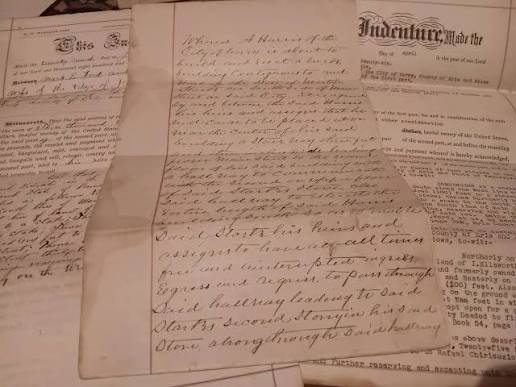
When Pennsylvania landowners think about oil and gas issues, they usually focus on leases, royalties, well pads, pipelines, surface use agreements, or mineral rights offers.
But one of the most important documents may be much older and much easier to overlook.
The deed.
A deed may determine who owns the property, how much acreage is owned, whether oil and gas rights were reserved or conveyed, whether all owners must sign, whether royalties are paid correctly, whether a lease covers the correct acreage, and whether a future sale, estate, trust, or family transfer creates title problems.
If the deed is wrong, incomplete, unclear, outdated, or inconsistent with other documents, the landowner may face serious problems.
A corrective deed may be needed to fix errors, clarify ownership, correct acreage, address prior conveyance problems, or make sure oil and gas documents match the landowner’s actual rights.
Pennsylvania landowners should not wait until a gas company, pipeline company, title attorney, royalty department, mineral buyer, or estate issue exposes a deed problem. These issues should be reviewed before signing a lease, division order, lease amendment, mineral rights sale, real estate agreement, or other oil and gas document.
What Is a Deed?
A deed is the legal document used to transfer ownership of real property.
In oil and gas matters, the deed may affect more than the surface of the land. It may also affect ownership of oil, gas, minerals, royalty rights, leasing rights, and related property interests.
A deed may include important language involving:
- property description;
- acreage;
- reservations;
- exceptions;
- prior conveyances;
- rights-of-way;
- easements;
- mineral rights;
- oil and gas rights;
- royalty interests;
- life estates;
- trusts;
- family ownership;
- and references to prior deeds.
Landowners should not assume the deed is correct simply because it was recorded many years ago or because the family has always treated the property a certain way.
In oil and gas matters, small wording issues can create large financial consequences.
What Is a Corrective Deed?
A corrective deed is a deed used to correct, clarify, or clean up an issue in a prior deed.
A corrective deed may be needed when a prior deed contains:
- incorrect acreage;
- incorrect names;
- missing owners;
- incorrect legal descriptions;
- unclear mineral language;
- mistaken reservation language;
- typographical errors;
- incorrect parcel references;
- outdated ownership information;
- estate-related confusion;
- trust-related confusion;
- or inconsistencies with oil and gas lease documents.
A corrective deed is not a casual document.
It must be prepared carefully because it may affect title, ownership, future royalties, real estate transactions, lease payments, and mineral rights.
Why Deeds Matter in Oil and Gas Leasing
When a gas company offers an oil and gas lease, the company usually wants to know who owns the property and how many acres are available to lease.
If the deed is incorrect or unclear, the landowner may be affected in several ways.
The landowner may receive:
- a lower bonus payment;
- incorrect royalty allocation;
- a title objection;
- delayed payment;
- reduced acreage credit;
- a request for additional signatures;
- a request for a ratification;
- or a demand for corrective paperwork.
A deed problem may also affect whether all proper owners signed the lease.
If ownership is unclear, the gas company may withhold payment, reduce payment, delay payment, or later request additional documents.
Before signing a lease, Pennsylvania landowners should make sure the deed and lease match the actual ownership and acreage.
Acreage Errors Can Cost Landowners Money
Acreage matters.
Oil and gas lease bonuses are often calculated on a per-acre basis. Royalty allocation may also be affected by acreage and unit calculations.
If the deed shows fewer acres than the landowner actually owns, the landowner may be underpaid.
If the lease, memorandum, division order, or title documents use incorrect acreage, the error may affect compensation for years.
Common acreage problems may involve:
- old surveys;
- tax map inconsistencies;
- deed description errors;
- partial conveyances;
- family transfers;
- subdivision issues;
- road takings;
- boundary disputes;
- or incorrect company title assumptions.
A landowner should not assume that tax assessment acreage, deed acreage, lease acreage, and actual surveyed acreage are always the same.
When oil and gas money is involved, acreage should be reviewed carefully.
Mineral Reservations and Exceptions Must Be Reviewed
Some deeds contain reservations or exceptions involving oil, gas, coal, minerals, timber, or other rights.
A reservation may mean that a prior owner kept certain rights when transferring the property.
An exception may mean that certain rights were not included in the conveyance.
The wording matters.
A deed may reserve:
- oil rights;
- gas rights;
- mineral rights;
- coal rights;
- royalty rights;
- leasing rights;
- storage rights;
- pipeline rights;
- or other property interests.
A landowner may own the surface but not all oil and gas rights. In other cases, the landowner may own oil and gas rights but not realize that prior language affects ownership.
Before signing an oil and gas lease, division order, amendment, or mineral rights sale agreement, the deed history should be reviewed to determine what the landowner actually owns.
Surface Ownership and Mineral Ownership May Be Different
In Pennsylvania, the surface estate and oil and gas estate may be owned by different people.
That can create confusion.
A landowner may live on and use the surface of the property but may not own all subsurface oil and gas rights. Another person or family may own part of the oil and gas estate. There may be severed mineral interests, old reservations, fractional interests, or unknown heirs.
This issue matters because the right to sign an oil and gas lease may depend on ownership of the oil and gas rights, not just surface ownership.
It also matters because royalties may be paid to mineral owners, royalty owners, or other interest holders.
A landowner should not assume ownership without reviewing the deed chain.
Deeds and Division Orders
Division orders can create problems when deed or title issues are unclear.
A division order tells the company how production proceeds should be distributed among interest owners.
If the deed, lease, unit declaration, or title records are incorrect, the division order may reflect the wrong interest.
Before signing a division order, landowners should review whether:
- the correct owner is listed;
- the correct parcel is identified;
- the correct decimal interest is used;
- the correct acreage is included;
- all co-owners are accounted for;
- prior reservations are addressed;
- and the division order matches the lease and title records.
A landowner should be cautious before signing a division order that appears inconsistent with the deed, lease, or royalty expectations.
Deeds and Royalty Payments
Royalty payments depend on ownership.
If title is unclear, a company may suspend royalty payments, place royalties in suspense, request additional documents, or pay based on a reduced ownership interest.
Deed problems may affect:
- who receives royalties;
- how much each owner receives;
- whether royalties are suspended;
- whether heirs must sign documents;
- whether a trust or estate must be updated;
- and whether a corrective deed is needed.
If a landowner is not receiving expected royalties, or if royalty payments appear lower than expected, deed and title issues should be considered.
Deeds and Lease Amendments
Gas companies often contact landowners years after the original lease is signed to request a lease amendment, ratification, modification, or extension.
Before signing any lease amendment, landowners should review the deed and ownership status.
Since the original lease was signed, ownership may have changed because of:
- death;
- inheritance;
- divorce;
- deed transfer;
- trust creation;
- LLC transfer;
- sale of part of the property;
- subdivision;
- family agreement;
- estate administration;
- or corrective deed work.
If ownership has changed, the company’s proposed amendment may not properly identify the current owners or interests.
A landowner should not sign a lease amendment unless the ownership and deed issues are clear.
Deeds and Selling Oil and Gas Rights
Deed review is especially important before selling oil and gas rights.
A mineral buyer may offer to purchase oil and gas rights, royalty rights, lease rights, or future production income. Before signing, the landowner should know exactly what is owned and exactly what is being sold.
The deed should be reviewed to determine whether the landowner owns:
- all oil and gas rights;
- only a fractional interest;
- only royalty rights;
- rights in certain parcels;
- rights subject to a lease;
- rights affected by prior reservations;
- or rights affected by trusts, estates, or co-owners.
A landowner should not sign a mineral deed, royalty sale agreement, purchase agreement, option, memorandum, or assignment without confirming ownership.
Selling rights the landowner does not own can create legal problems.
Selling more than intended can create permanent financial consequences.
Deeds and Real Estate Sales
Buying or selling real estate in a Marcellus Shale or Utica Shale region requires special attention to oil and gas rights.
The agreement of sale and deed should clearly state whether oil and gas rights are included, reserved, excepted, transferred, or partially transferred.
If the parties do not address oil and gas rights clearly, disputes may arise later.
Important questions include:
- Is the seller keeping oil and gas rights?
- Is the buyer receiving oil and gas rights?
- Are royalties included?
- Are existing leases included?
- Are future lease payments included?
- Are pipeline payments included?
- Are storage rights included?
- Are mineral reservations being created?
- Are prior reservations already in the title history?
Real estate documents should not be drafted as if oil and gas rights are an afterthought.
In gas-producing regions, they may be one of the most important parts of the transaction.
Deeds and Estate Planning
Oil and gas rights can create unique estate planning issues.
A landowner may want to transfer property to children, create a trust, form an LLC, reserve a life estate, divide royalties, or preserve family ownership.
Those decisions should be made carefully.
Poorly drafted estate documents or deeds may create confusion over:
- who owns the surface;
- who owns the oil and gas rights;
- who receives royalties;
- who has leasing authority;
- who can sign amendments;
- who can sell rights;
- and what happens after death.
Oil and gas rights should be specifically addressed in estate planning documents when relevant.
A generic estate plan may not properly account for producing leases, future royalties, mineral interests, or family ownership goals.
Life Estates, Remaindermen, and Family Ownership
Many Pennsylvania properties involve family ownership.
A deed may create or reflect a life estate, remainder interest, joint ownership, tenancy by the entirety, tenancy in common, trust ownership, or other ownership structure.
These structures may affect who must sign oil and gas documents.
For example, if one person has a life estate and others hold remainder interests, the company may require signatures from multiple parties. Royalty rights may also need to be evaluated carefully.
Family ownership can become complicated when generations are involved.
A deed review can help determine who owns what and who has authority to sign.
Trusts, LLCs, and Family Entities
Some landowners place property or oil and gas rights into a trust, LLC, family limited partnership, or other entity.
These tools may be useful in some circumstances, but they must be handled properly.
Important issues may include:
- whether the deed properly transferred the property;
- whether oil and gas rights were included;
- whether leases and royalties were assigned;
- whether the entity has authority to sign;
- whether tax consequences were considered;
- whether the transfer affects existing agreements;
- and whether the documents match the landowner’s intent.
A landowner should not move property into an entity or trust without understanding how oil and gas rights are affected.
Corrective Deeds Should Be Prepared Carefully
A corrective deed should not create new problems while trying to fix old ones.
The corrective deed should clearly identify:
- the prior deed being corrected;
- the error being corrected;
- the correct language;
- the property affected;
- the parties involved;
- and whether the correction affects oil, gas, minerals, royalties, or surface rights.
A poorly drafted corrective deed may create confusion or unintended transfers.
Corrective deeds should be coordinated with the landowner’s lease, title history, estate plan, and any pending oil and gas transaction.
Do Not Sign Company Paperwork Without Reviewing the Deed
Gas companies, pipeline companies, royalty departments, mineral buyers, and landmen may present documents that rely on assumptions about ownership.
A landowner may be asked to sign:
- an oil and gas lease;
- lease amendment;
- ratification;
- memorandum;
- division order;
- pipeline agreement;
- surface use agreement;
- damage release;
- mineral rights sale;
- royalty sale;
- title affidavit;
- or curative document.
Before signing, the landowner should ask whether the document accurately reflects deed ownership and title history.
Signing the wrong document can make later correction harder.
Verbal Assurances Are Not Enough
A company representative, buyer, broker, or landman may say:
- “The deed is fine.”
- “This is just a formality.”
- “The acreage does not matter.”
- “The title department already reviewed it.”
- “You can fix it later.”
- “This will not affect your royalties.”
- “Everyone signs this.”
- “This is just a corrective document.”
Those statements are not enough.
If ownership, acreage, royalties, or mineral rights are involved, the deed and written documents should be reviewed carefully.
Questions Pennsylvania Landowners Should Ask
Before signing oil and gas documents involving deed or title issues, landowners should ask:
- Does the deed correctly identify the owners?
- Does the deed correctly describe the property?
- Is the acreage correct?
- Are oil and gas rights included?
- Were any oil, gas, mineral, or royalty rights reserved?
- Are there prior deeds that affect ownership?
- Does the lease match the deed?
- Does the memorandum match the lease?
- Does the division order match the ownership interest?
- Are royalties being paid based on correct acreage?
- Are all co-owners properly identified?
- Are trusts, estates, or LLCs involved?
- Are life estates or remainder interests involved?
- Would a corrective deed help?
- Could a corrective deed create unintended consequences?
- Are real estate sale documents clear about oil and gas rights?
- Are mineral rights sale documents transferring more than intended?
- Should title issues be resolved before signing?
These questions should be answered before a landowner signs any lease, division order, sale agreement, amendment, deed, or corrective document.
Speak With a Pennsylvania Oil and Gas Deed Attorney Before Signing
Deed and corrective deed issues can affect oil and gas leases, royalties, division orders, mineral rights sales, real estate transactions, estate planning, and family ownership.
At The Clark Law Firm, PC, Attorney Doug Clark represents Pennsylvania landowners only. He does not represent gas companies, pipeline companies, mineral buyers, or landmen.
If you have questions about a deed, corrective deed, oil and gas lease, division order, lease amendment, real estate sale, mineral rights offer, royalty issue, or related oil and gas document, contact PAGasLeaseAttorney.com before signing.
FAQ section to add below the post:
Frequently Asked Questions About Pennsylvania Deeds and Corrective Deeds
What is a corrective deed?
A corrective deed is a deed used to correct, clarify, or clean up an issue in a prior deed, such as acreage, names, legal descriptions, ownership, or reservation language.
Can a deed affect oil and gas royalties?
Yes. Deed and title issues may affect who receives royalties, how acreage is credited, whether payments are suspended, and whether a division order is correct.
Should I review my deed before signing an oil and gas lease?
Yes. The deed should be reviewed to confirm ownership, acreage, mineral rights, reservations, and whether all necessary owners are signing.
Can a deed affect the sale of mineral rights?
Yes. Before selling oil and gas or mineral rights, landowners should determine exactly what they own and what the sale document transfers.
Can real estate sales affect oil and gas rights?
Yes. Agreements of sale and deeds should clearly state whether oil, gas, minerals, royalties, and lease rights are included, reserved, or excluded.